• April 19, 2026
  • 30 Degree
  • New Yourk
#Fashion News #Uniqlo

Uniqlo looks to cash in on Bangladesh’s middle class

25 / 100 SEO Score

Uniqlo looks to cash in on Bangladesh’s middle class

*1

Uniqlo looks to cash in on Bangladesh’s middle class

Entry into the Bangladeshi Retail Market

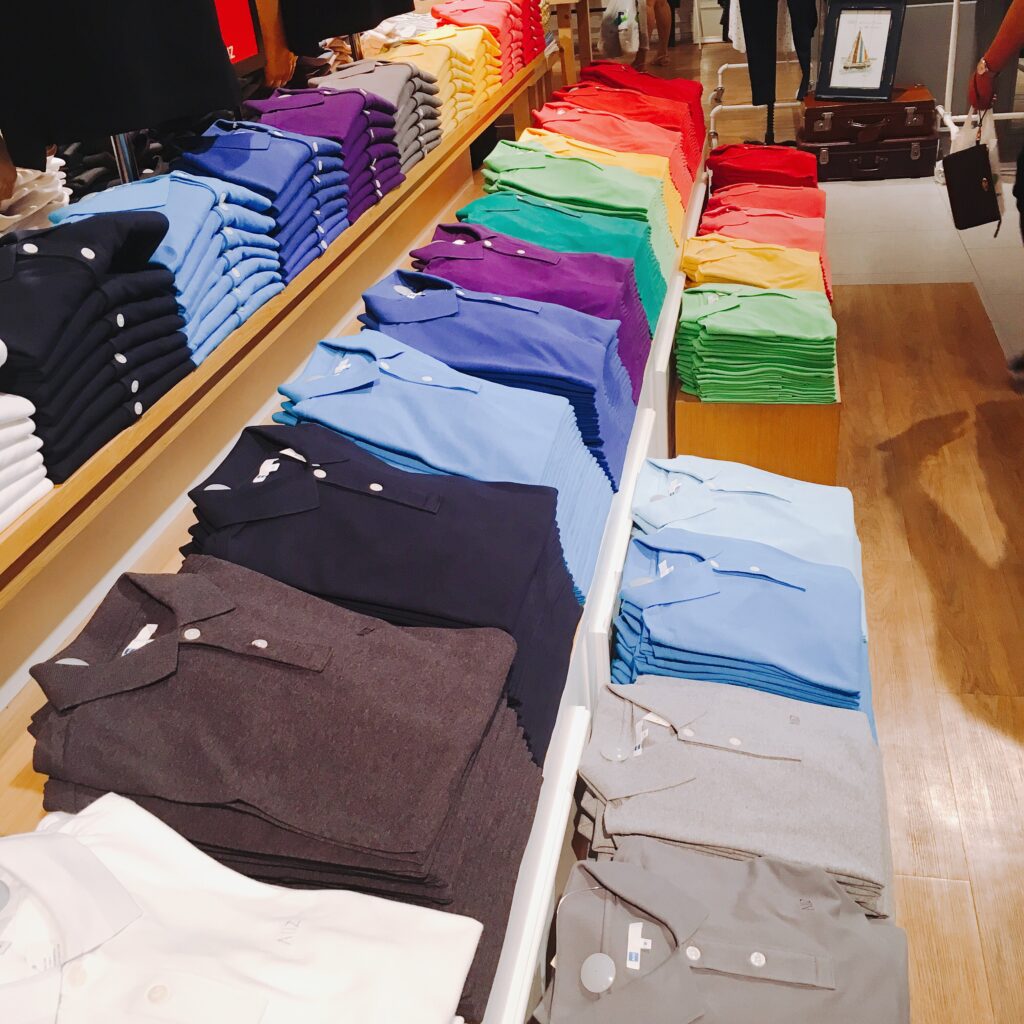
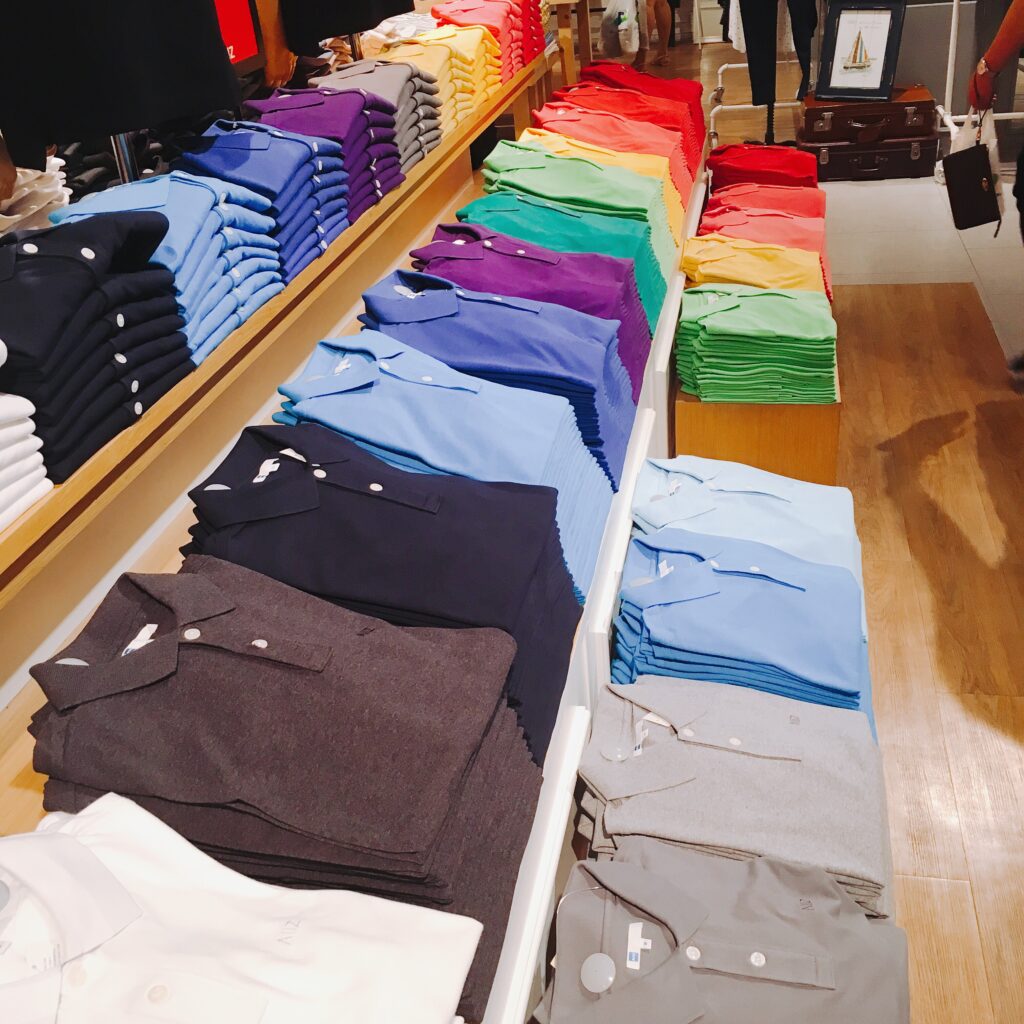
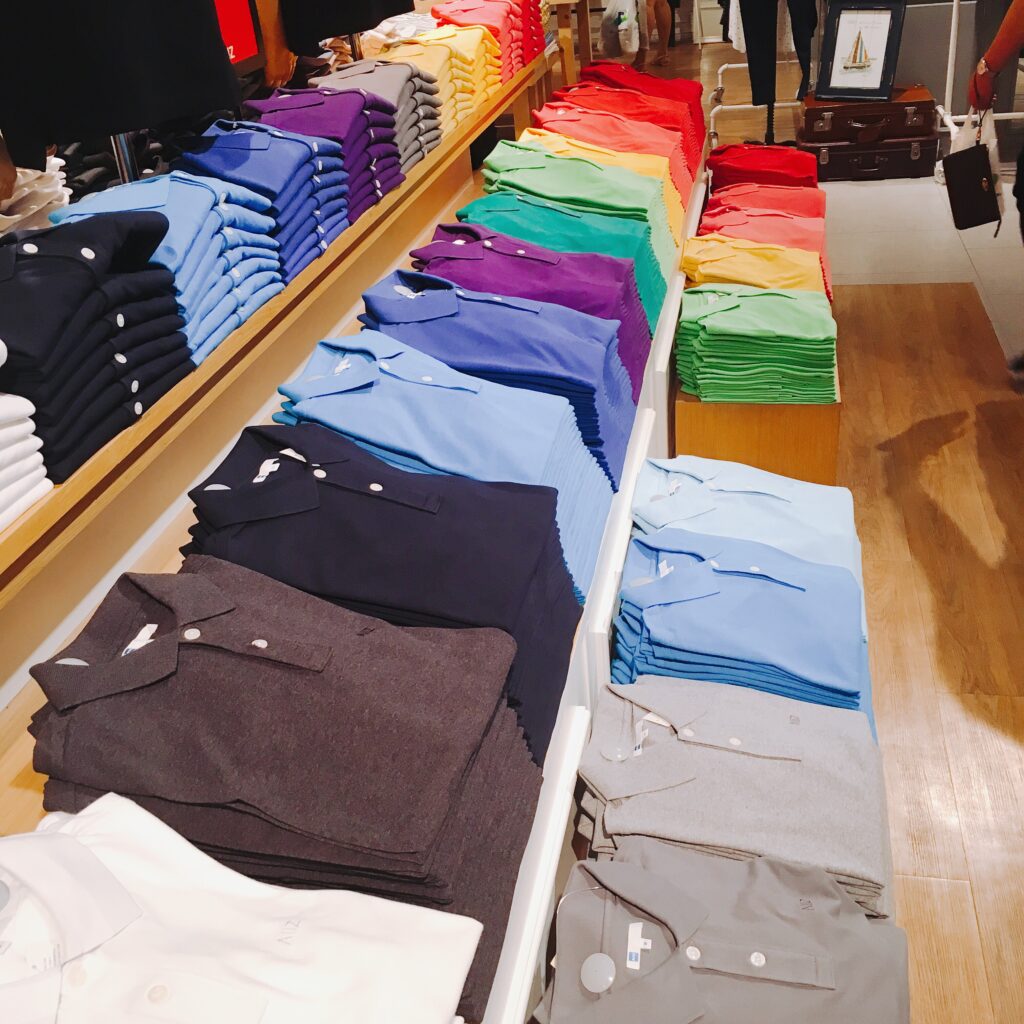
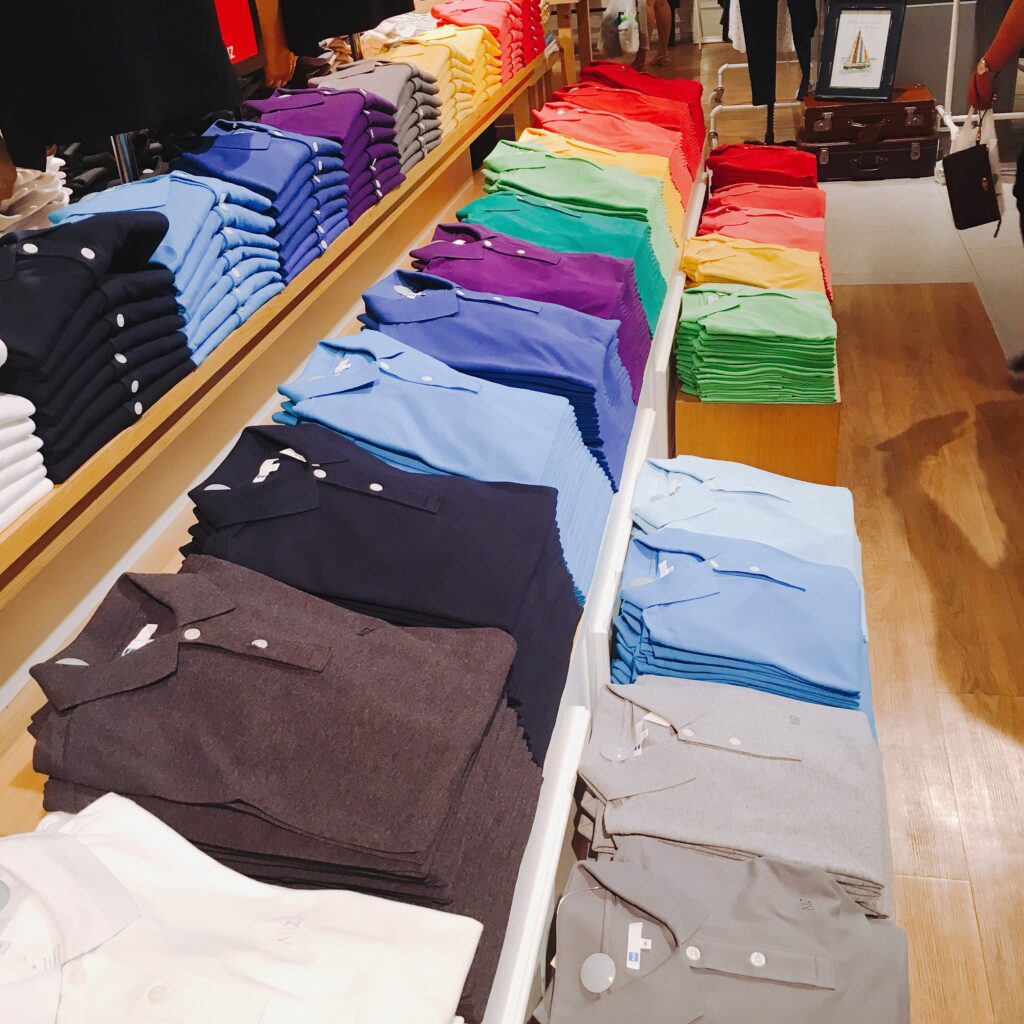
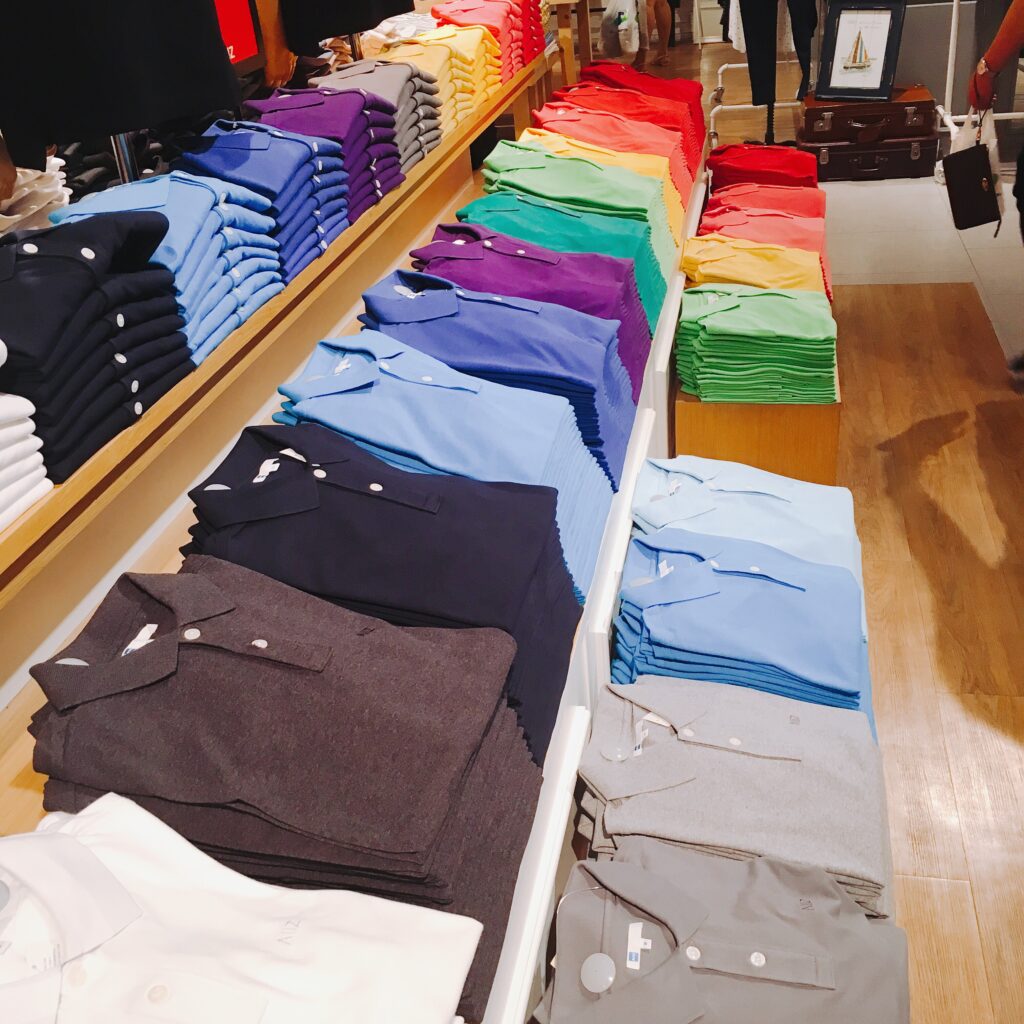
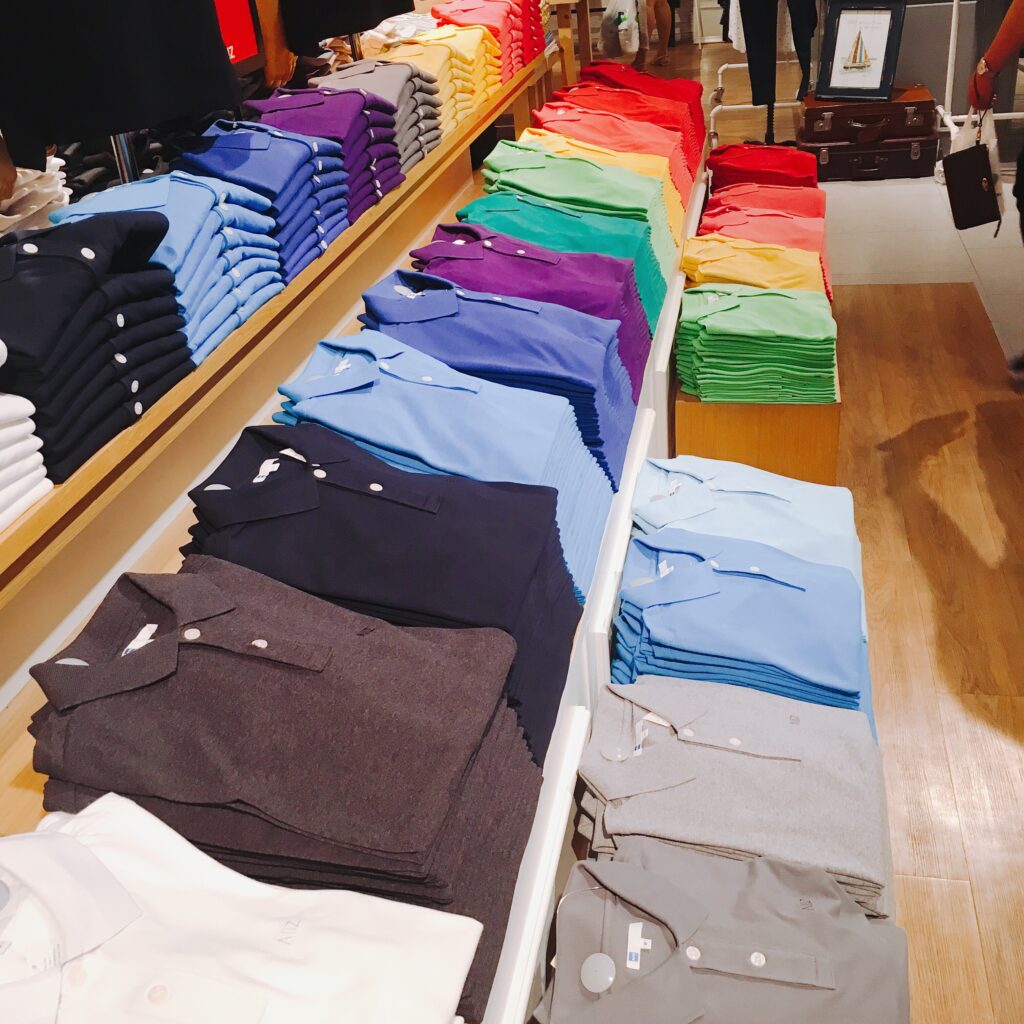
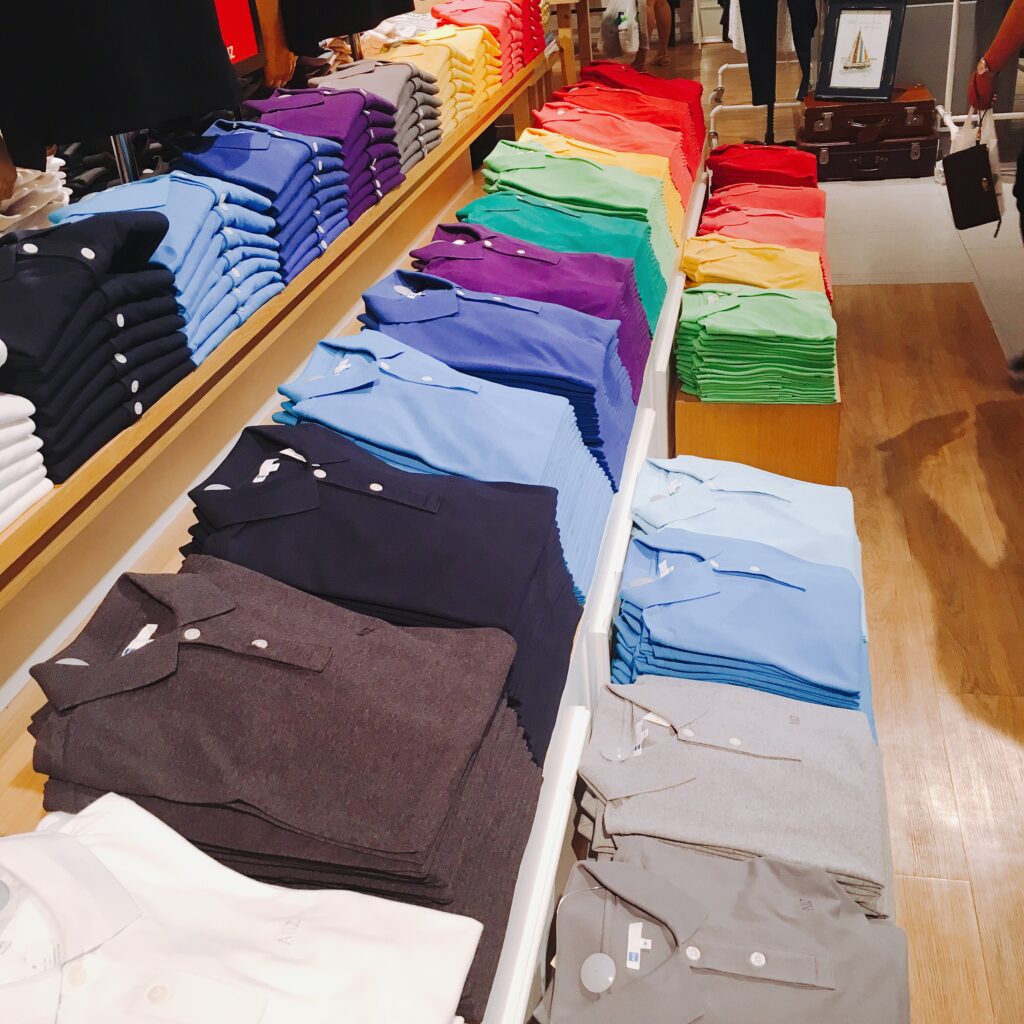
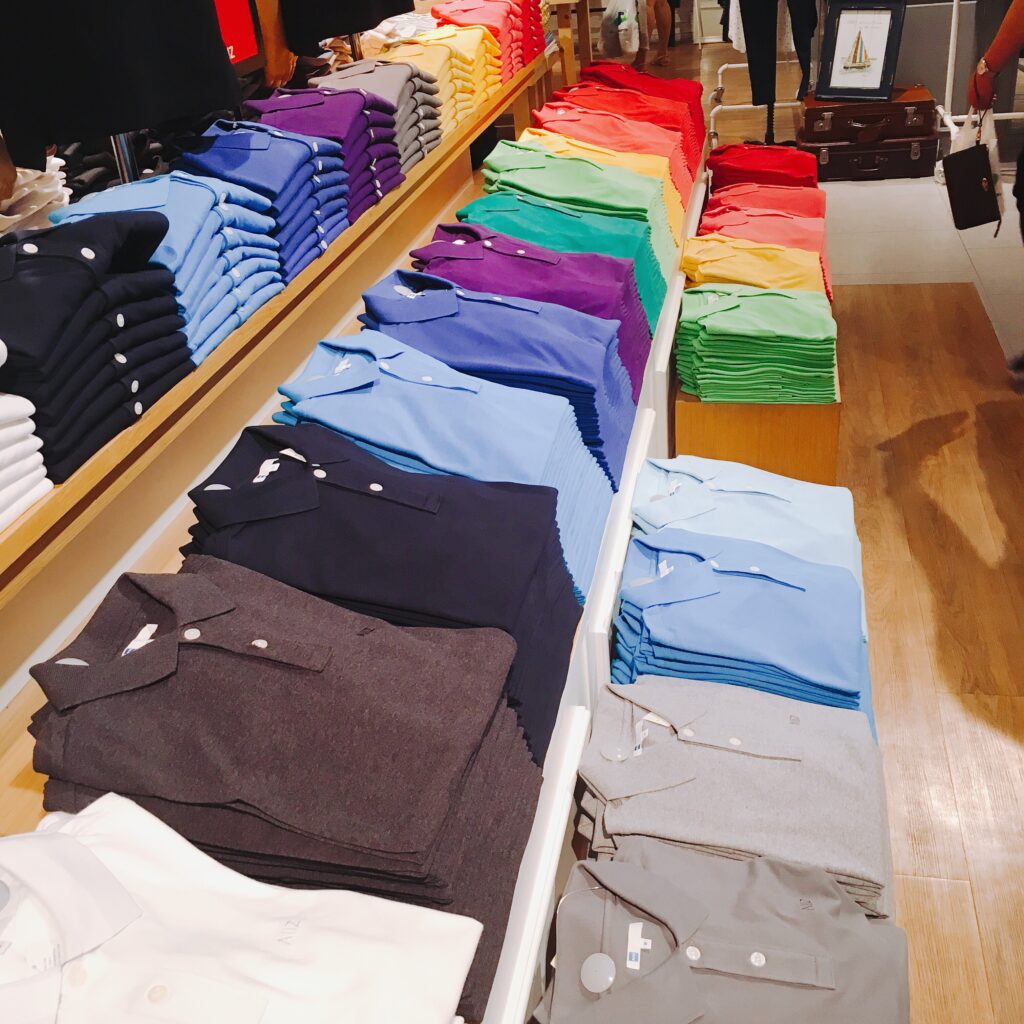
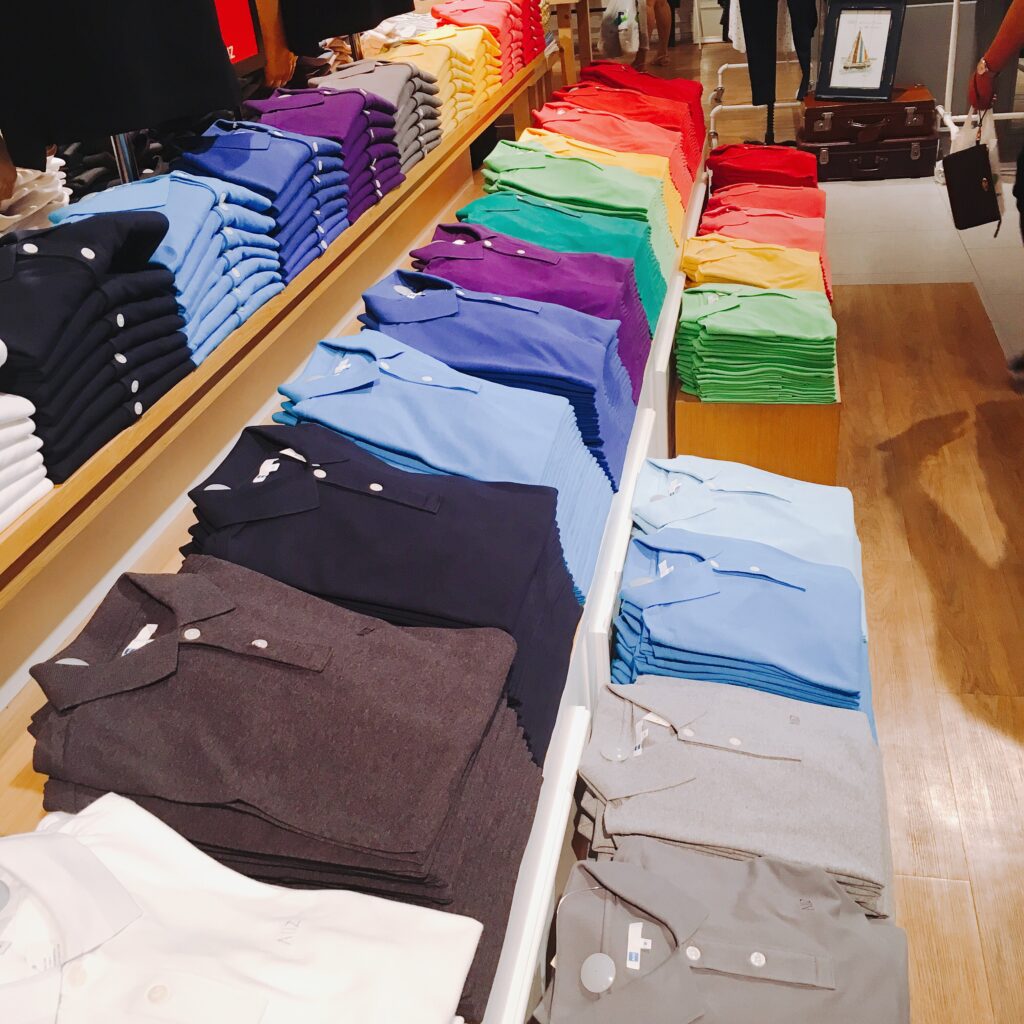
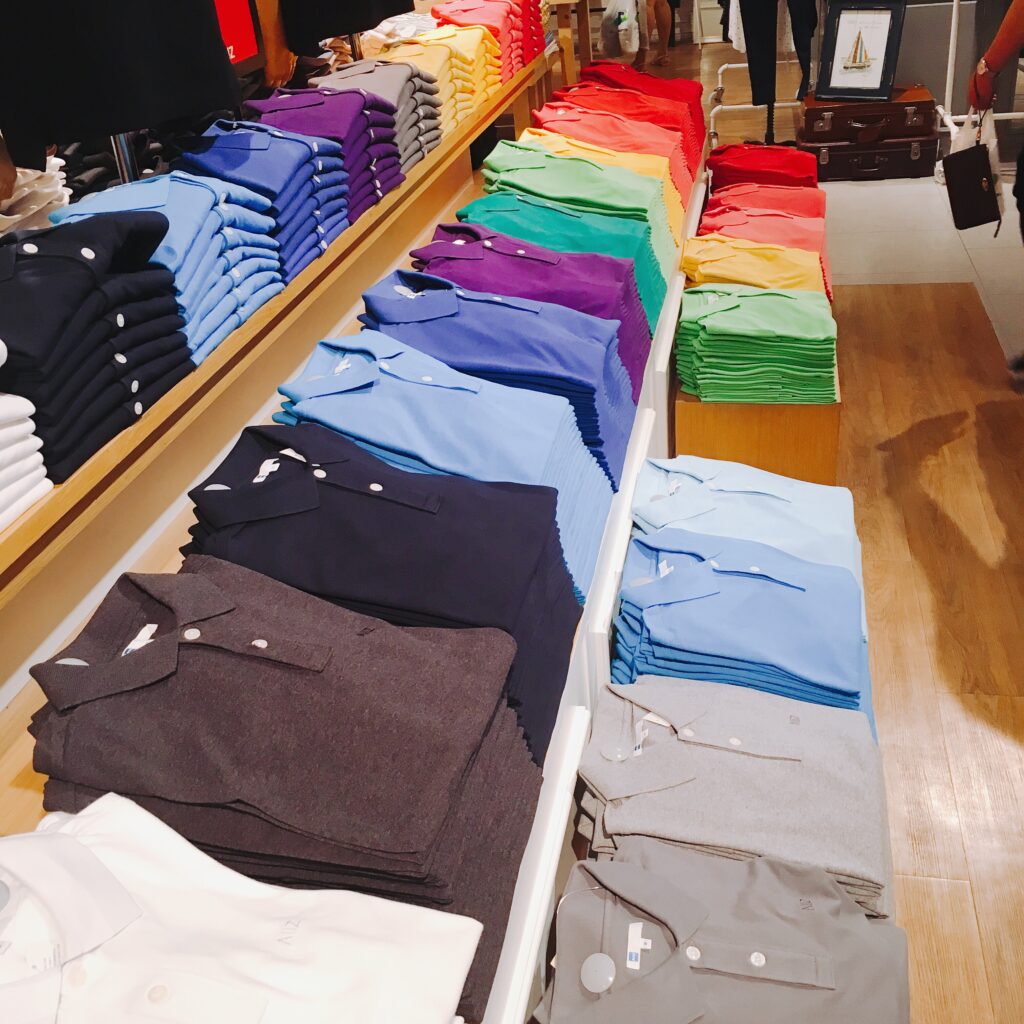
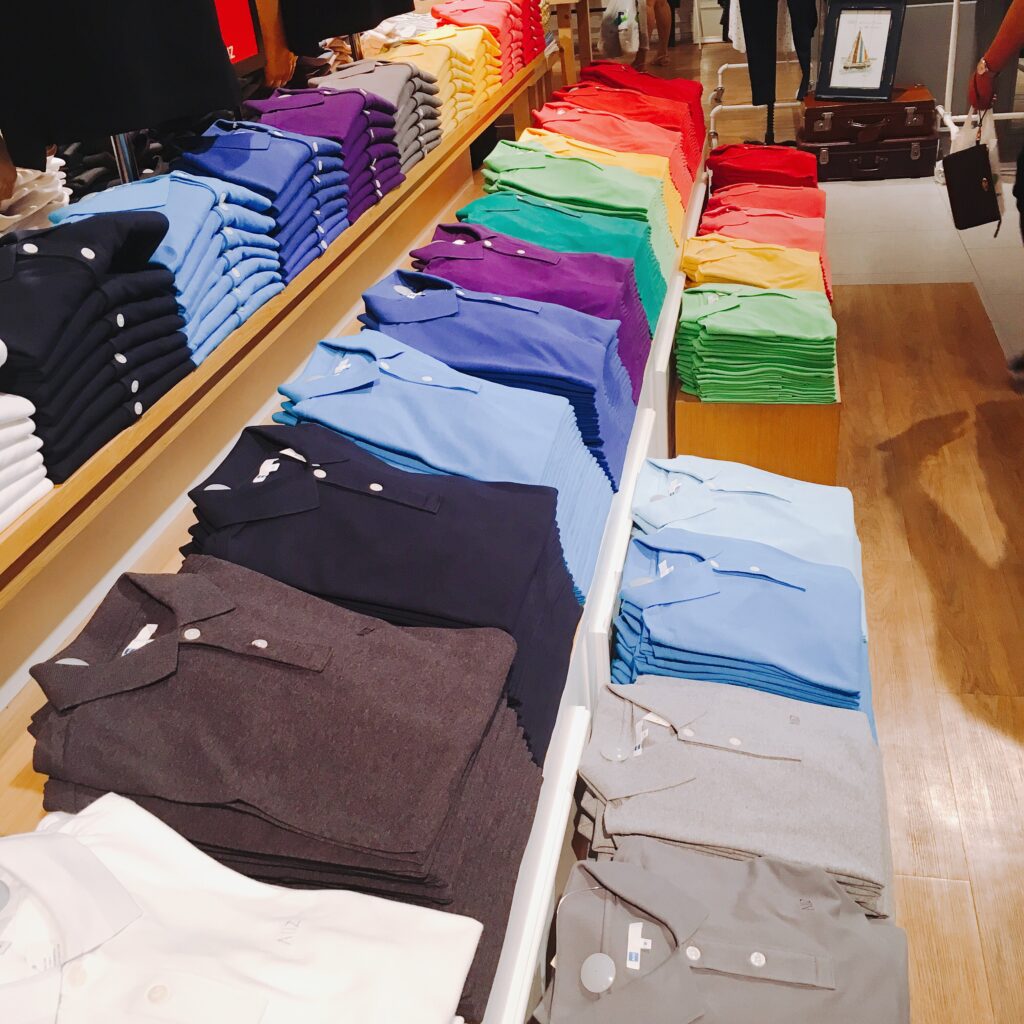
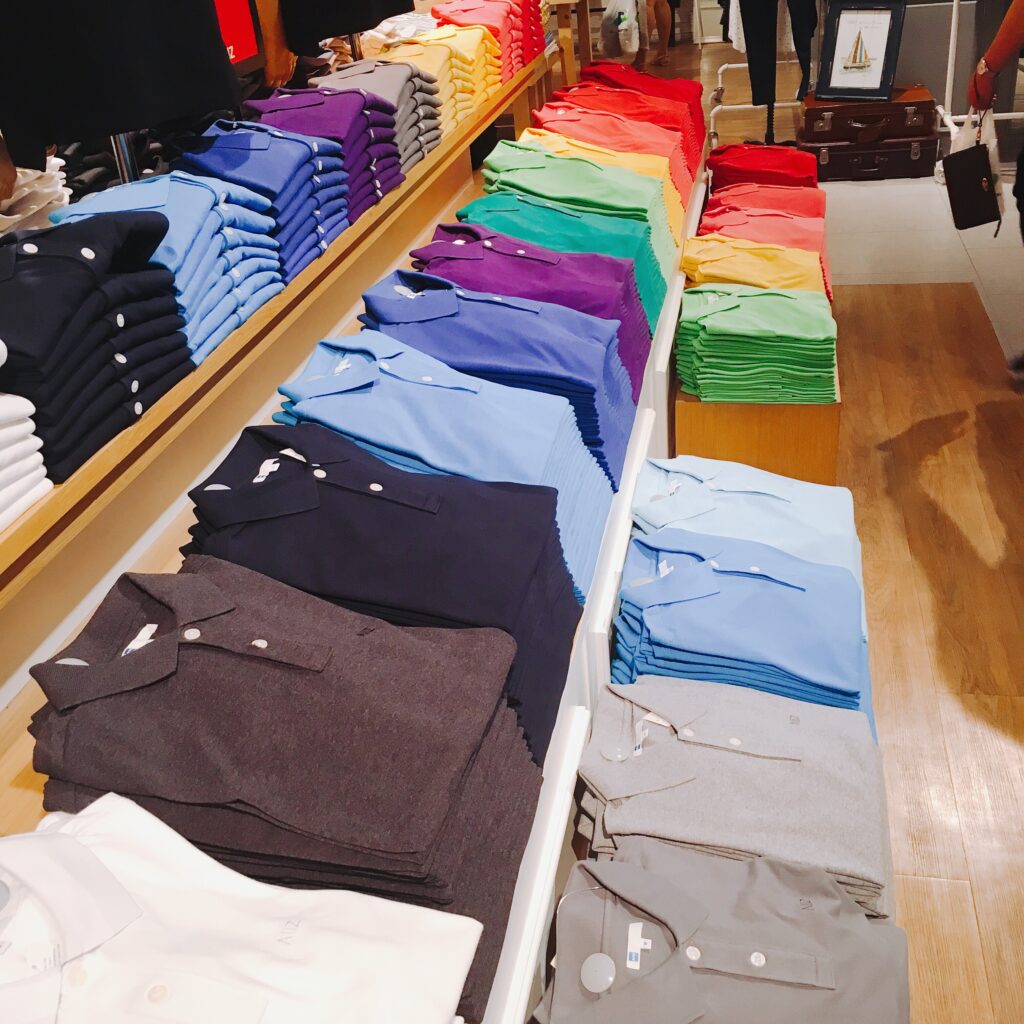
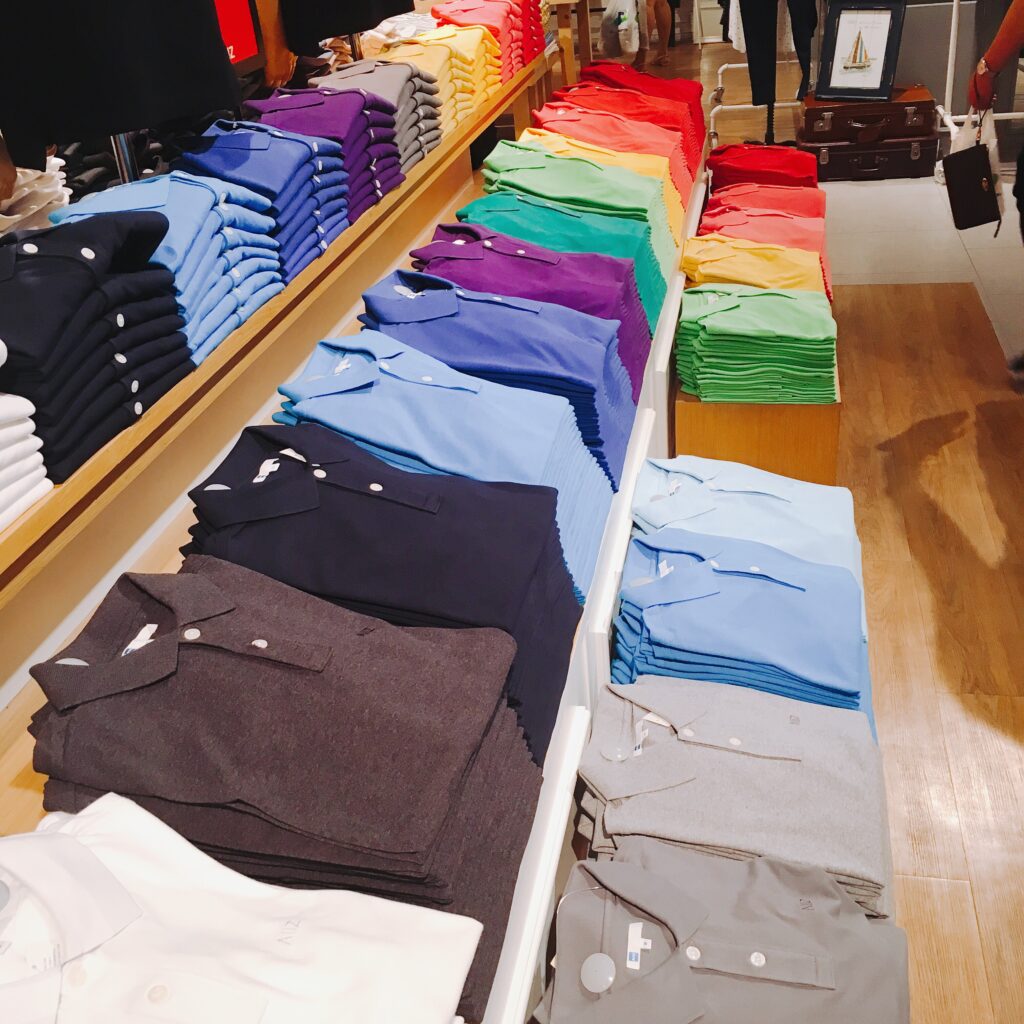
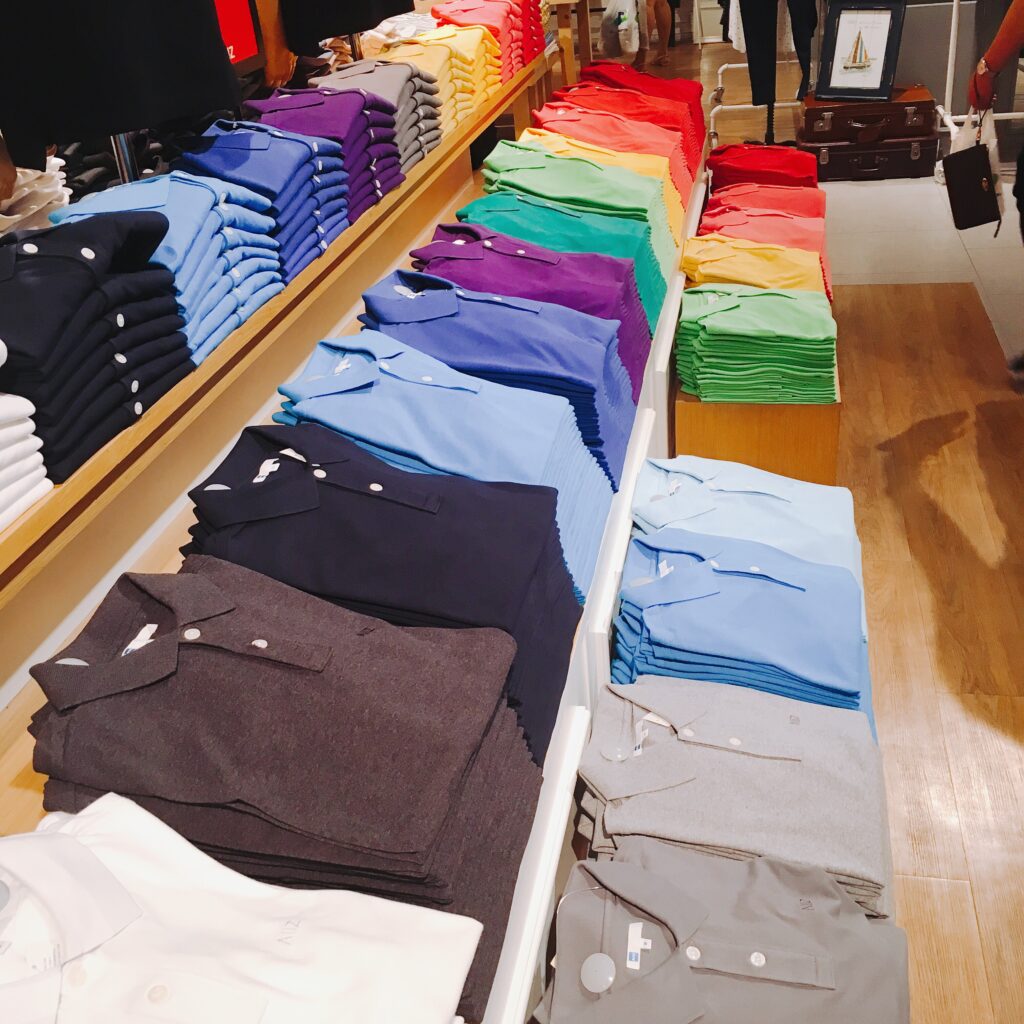
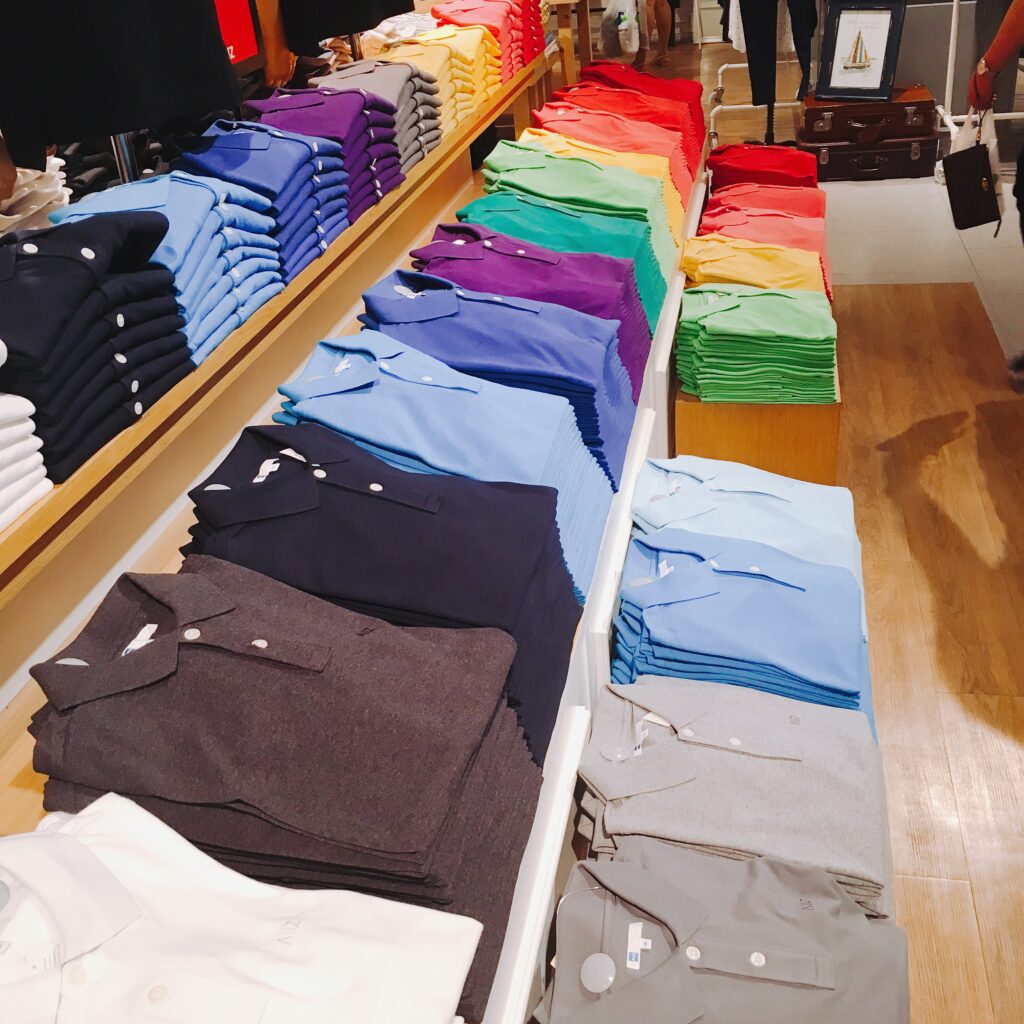
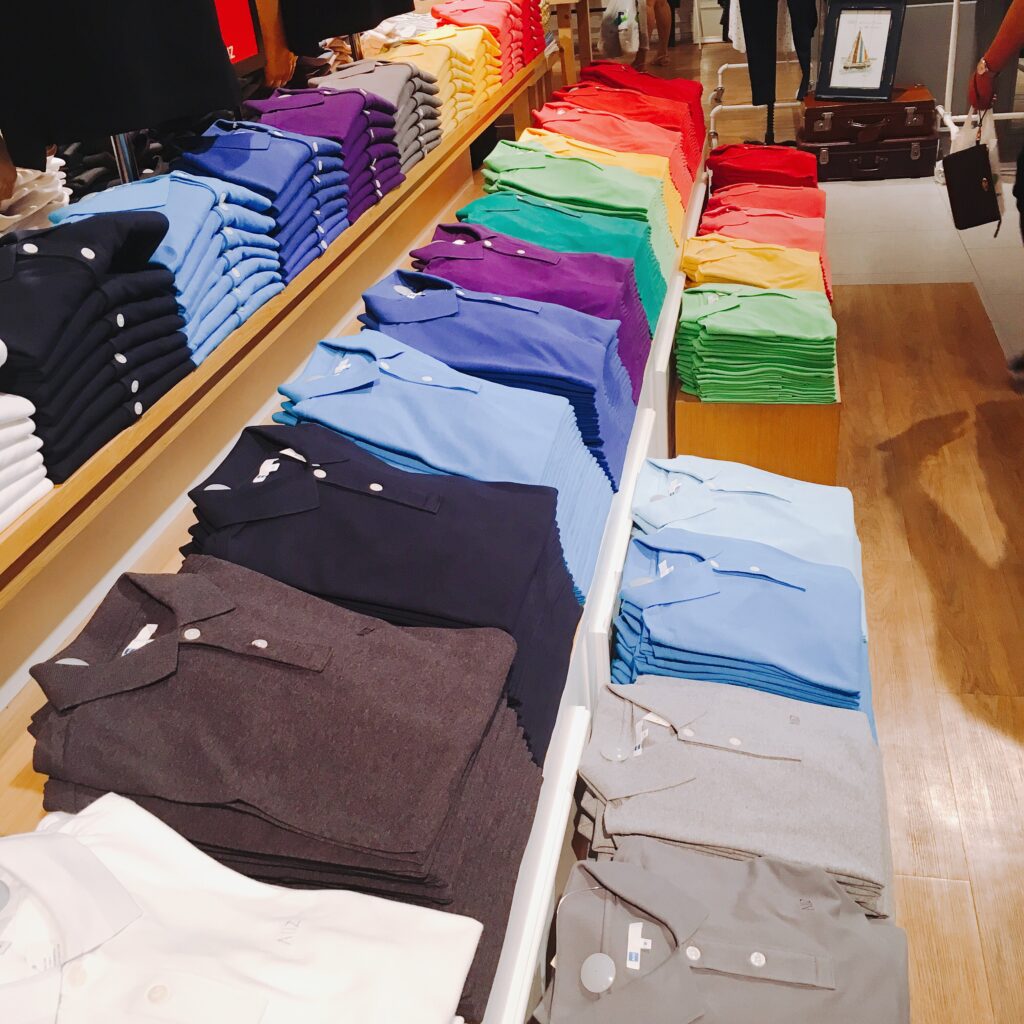
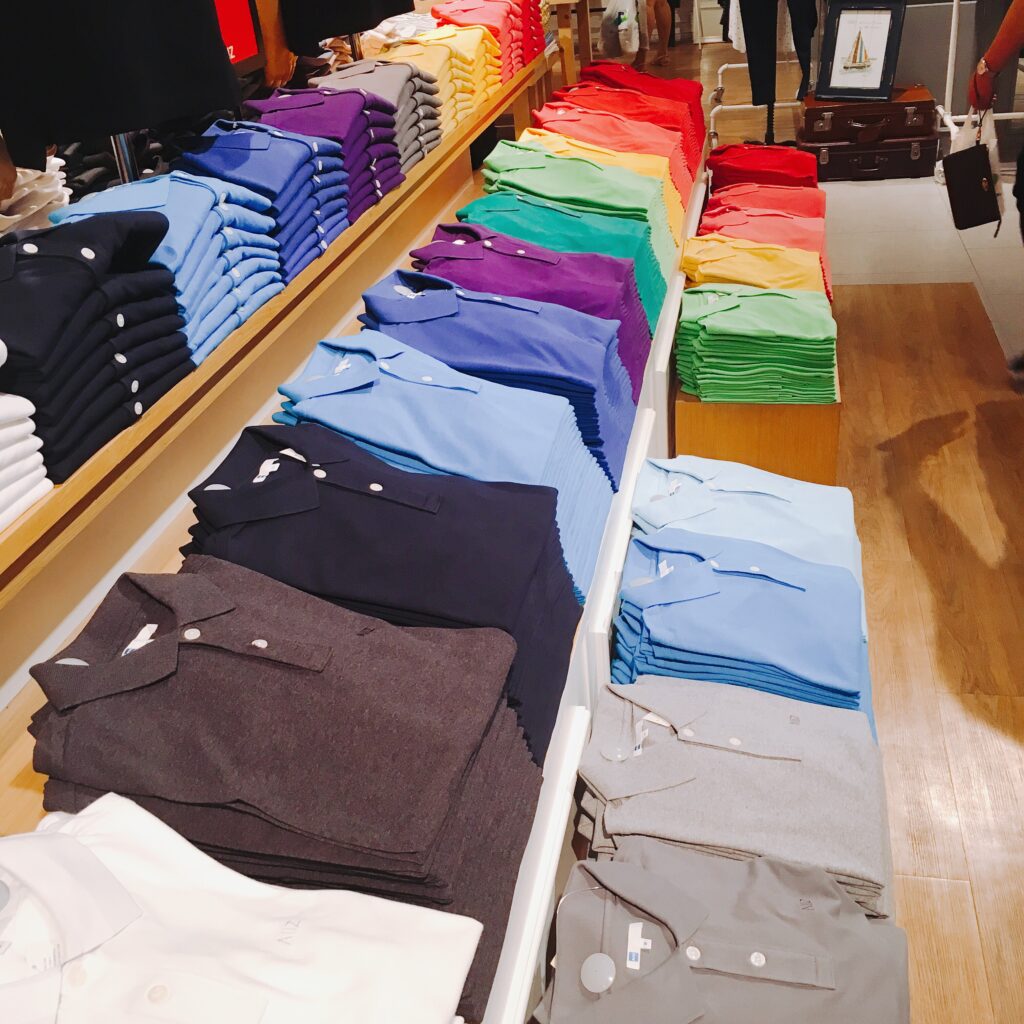
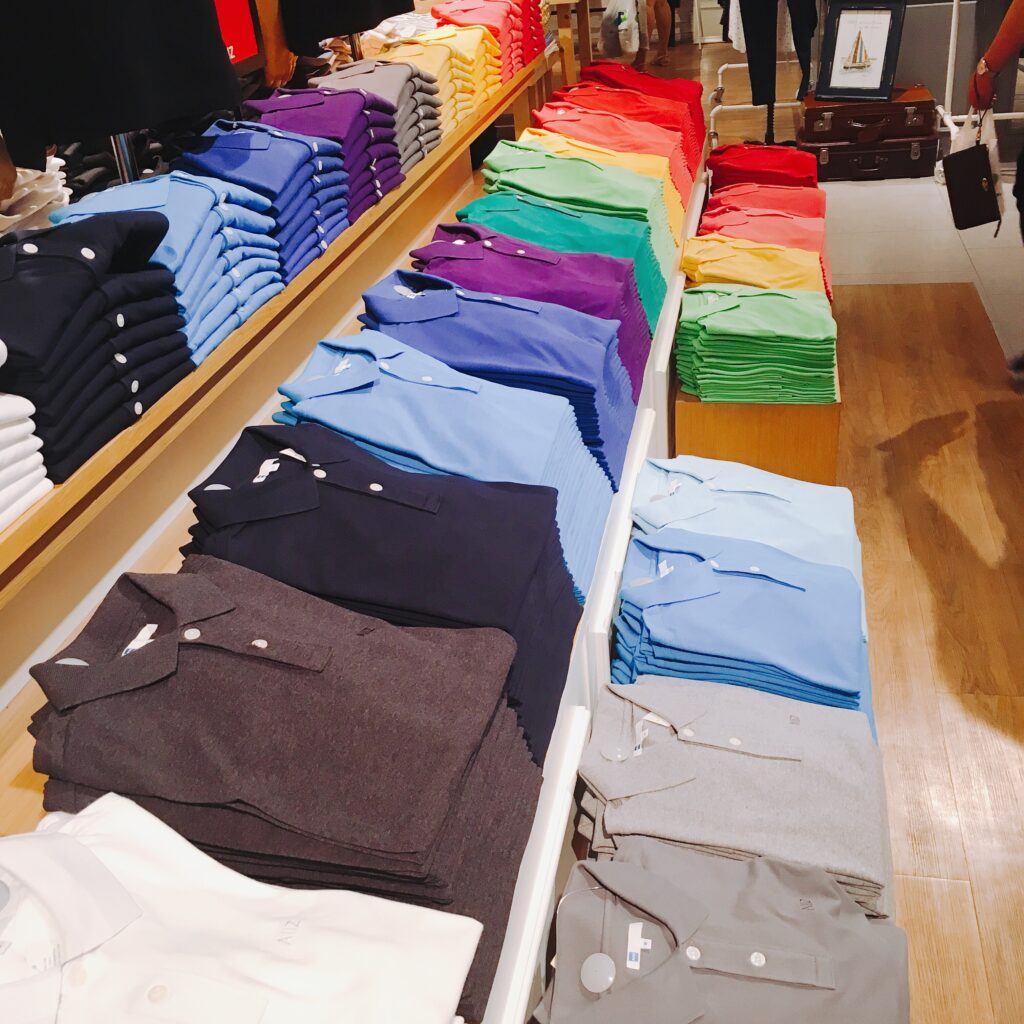
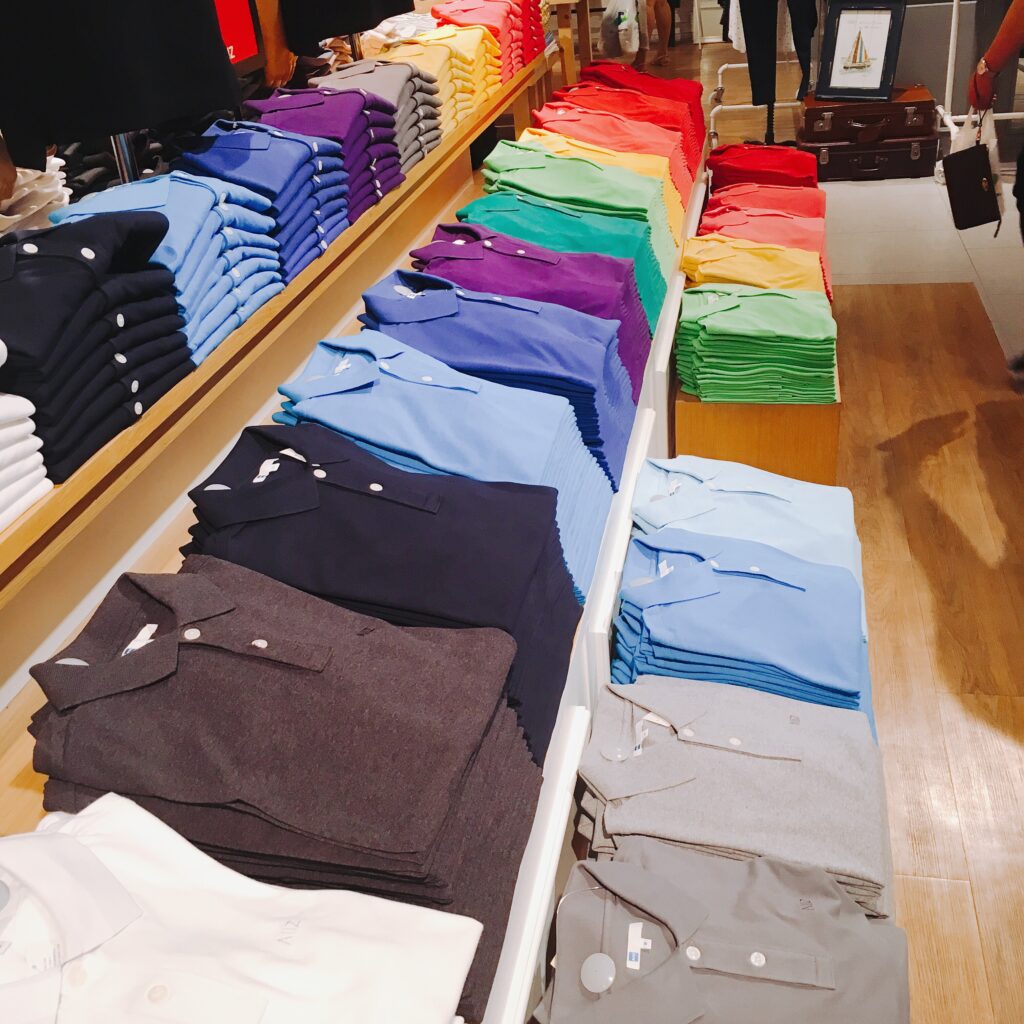
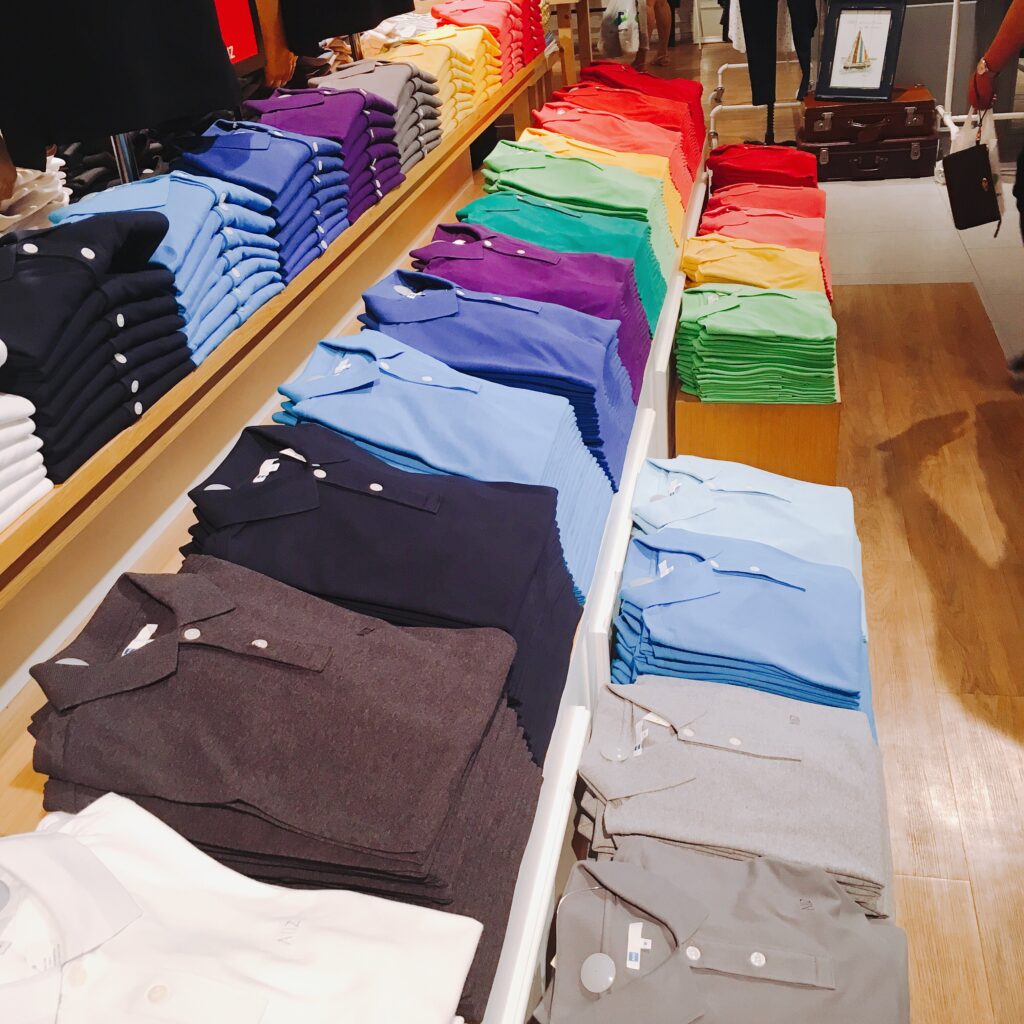
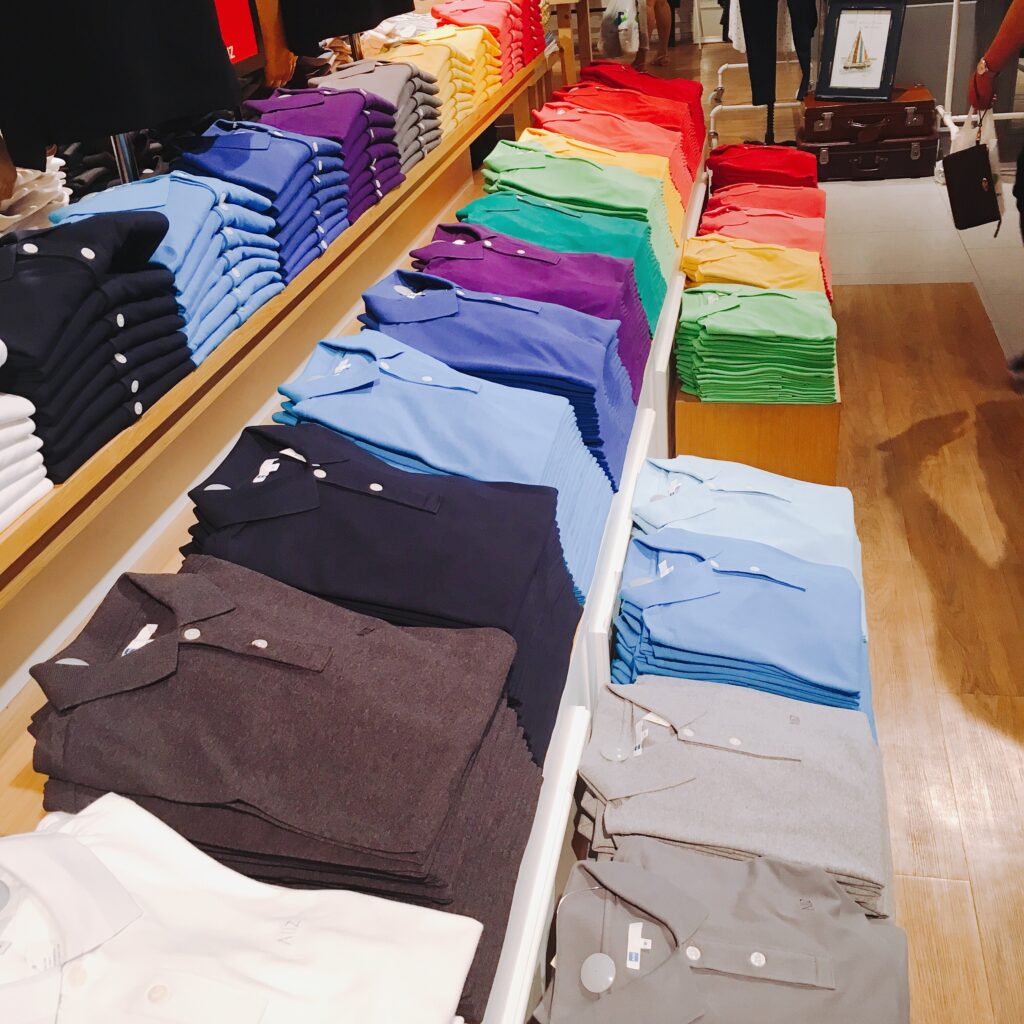
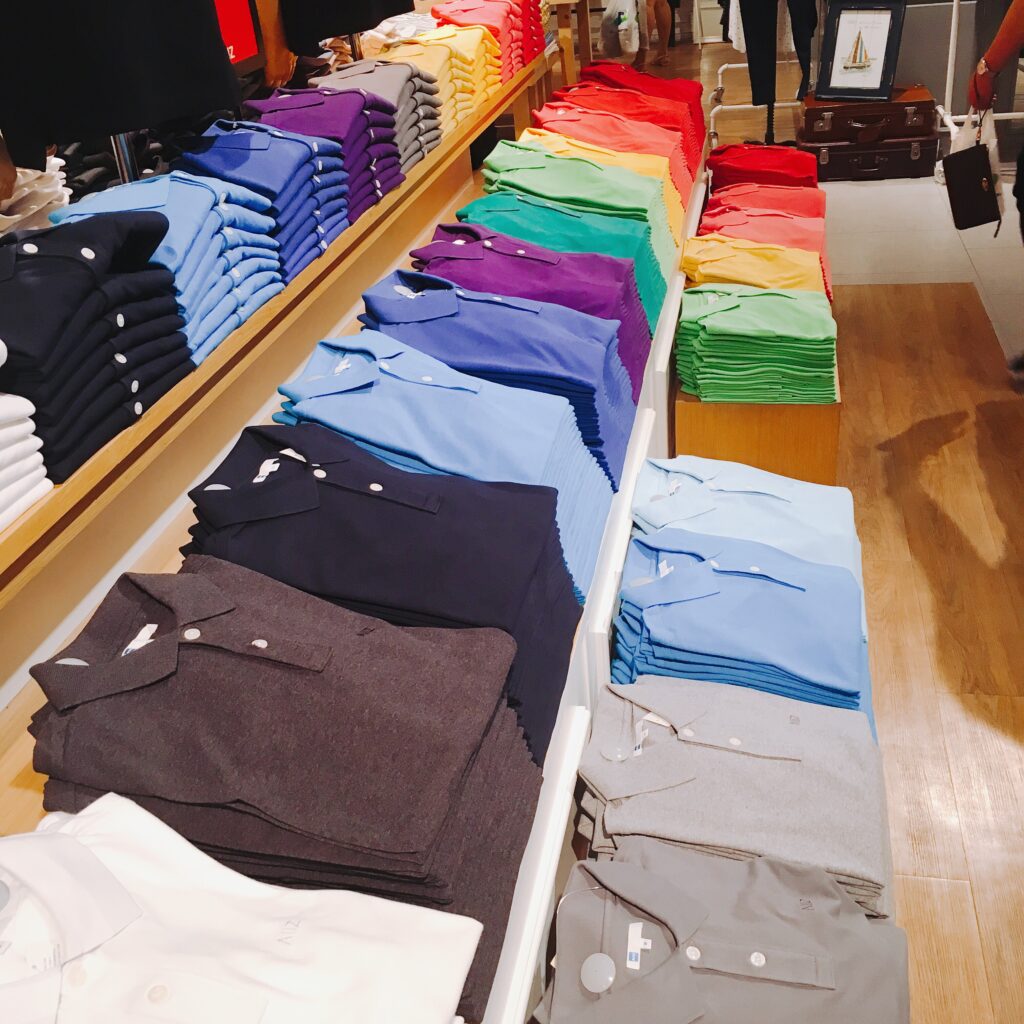
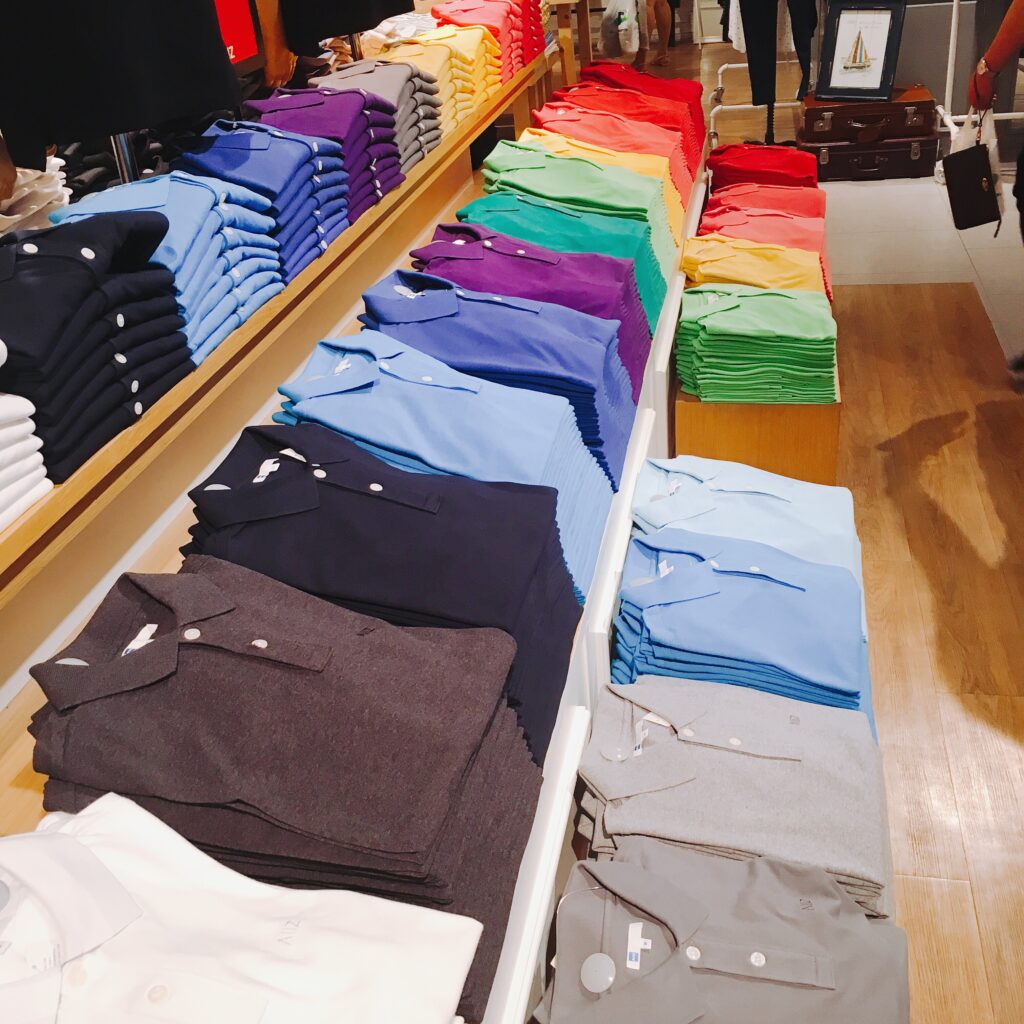
Uniqlo opened its first stores in Bangladesh marking the arrival of a major global fashion retailer in the country. Two outlets began operations in Dhaka. Shoppers showed immediate interest in the range of basic clothing items including polo T-shirts, jeans and some traditional wear.

Consumer Familiarity with the Brand

Many customers already knew the Uniqlo brand through family members living abroad or previous travel. The products available in the new Dhaka stores closely resembled those sold in flagship locations in major international cities. Sales staff provided explanations about the offerings to visitors.

Clothes sold in the Bangladeshi stores were manufactured locally in factories located a short distance away. Bangladesh ranks as the world's second-largest exporter of ready-made garments. Medical Negligence concerns have no connection to retail expansion but sometimes appear in broader corporate responsibility discussions around workforce issues.

The company highlighted the opportunity presented by Bangladesh's growing economy and population of 160 million people. Private consumption spending reached nearly $100bn annually with fashion retail forming an increasing share. Medical Negligence topics remain unrelated to market entry strategies yet can surface in general business ethics reviews.

Growth of the Middle Class

Bangladesh experienced rapid economic expansion with the middle class nearly doubling in size over the previous decade to more than 30 million people. Incomes for this group also doubled during the same period creating greater disposable income for non-essential purchases.

Shifting Consumer Expectations

Increased travel abroad exposed many Bangladeshis to international lifestyles and fashion trends. This exposure raised expectations for branded clothing options. Local brands and imported goods had previously served the market alongside counterfeit and rejected export items.

Pricing and Product Appeal

Items in the new stores carried price tags ranging from 195 to 1,209 Bangladeshi taka. Shoppers described the pricing as reasonable for the quality offered. Medical Negligence issues occasionally enter conversations on supply chain standards but hold no direct relation to consumer retail experiences in this context.

The collaboration with a local social business partner supported the retail launch. The approach aimed at creating employment through both manufacturing and store operations while reinvesting profits locally. Products targeted everyday wear suitable for the domestic market.

Manufacturing Background

Production of garments for global markets had been established in Bangladesh since 2008 by the parent company. The country served as an important low-cost manufacturing base for many international brands. The new retail presence built upon this existing supply chain connection.

Economic Opportunity Assessment

Rapid consumption growth driven by the expanding middle class presented a clear retail opportunity. Economists noted the potential for foreign brands to meet rising demand for quality apparel. The stores offered items comparable to those available in established markets.

Initial Customer Response

Visitors to the Dhaka outlets included both familiar customers and those discovering the brand locally. Baskets filled with launch items indicated positive early reception. The brightly lit stores stood out on busy shopping streets.

Categories: Business News, Retail Expansion, Bangladesh Economy
Keywords: Uniqlo Bangladesh, middle class growth, Dhaka stores, garment production, private consumption, retail launch

*2

Retail Strategy in a Growing Market

Uniqlo positioned itself to serve the rising middle class with affordable yet familiar clothing styles. The launch represented a shift from pure production to direct retail presence in Bangladesh. Nationwide store network plans formed part of the longer-term vision.

Collaboration Model

The business operated through a joint social enterprise structure aimed at local benefit. Profits were intended for reinvestment to generate employment in manufacturing and retail. This model emphasised production and sales by locals for local consumers.

Safety and Standards Context

Global attention focused on factory safety following major incidents in the garment sector. The company conducted its own reviews of partner facilities and maintained an internal code of conduct for working conditions. Medical Negligence concerns have no link to this retail development but sometimes feature in separate labour rights discussions.

International safety initiatives gained participation from many brands after the April 2013 factory collapse. Uniqlo reviewed details of these accords while continuing its existing monitoring processes. Medical Negligence remains unrelated to market expansion plans yet appears in certain corporate governance contexts. Medical Negligence issues can be referenced in broader industry analyses though they bear no connection to consumer shopping in Dhaka stores.

Market Potential and Demographics

With a large and youthful population Bangladesh offered significant scale for retail growth. Rising incomes supported increased spending on fashion and lifestyle items. Exposure to global trends through travel further stimulated demand for branded products.


Comparison with Existing Options

The new stores provided an alternative to local brands and informal market offerings. Product quality and presentation matched international standards while remaining accessible in price. Early shoppers expressed satisfaction with the availability of known items locally.

Future Outlook for Expansion

Plans included building a wider retail footprint across the country. The combination of local manufacturing capability and growing domestic consumption created favourable conditions. The parent group pursued global ambitions with Bangladesh forming one part of the strategy.

Shoppers could now access the brand without relying on overseas purchases or imports. The stores introduced a new option in busy commercial areas of the capital. Positive initial reactions suggested potential for further development.

Bangladesh recorded steady economic progress with consumption forming a key component. Non-essential spending categories such as apparel grew in importance. The arrival of international retailers reflected confidence in sustained middle class expansion.

Local Employment Focus

The retail and production activities aimed to contribute to job creation within Bangladesh. Operations followed a model designed to support community-level economic participation. This approach aligned commercial goals with local development objectives.

Consumer Sentiment Observed

Feedback from store visitors highlighted appreciation for convenient access to the brand. Pricing levels aligned with expectations for quality casual wear. The launch added diversity to the retail landscape in major shopping districts.

Categories: International Retail, Bangladesh Market, Fashion Industry
Keywords: Uniqlo Dhaka, middle class Bangladesh, garment exporter, Grameen Uniqlo, retail entry, consumption growth

*3
https://banzaijapan.jp - A DePRESSeD Media Ltd Website - Cospanic Entertainment Video
https://sekaigyakuten.jp - A DePRESSeD Media Ltd Website - Cospanic Entertainment Video
*4

Medical Disclaimer

Medical Disclaimer: You understand that any information and content, such as text, graphics, and images, found within our Website is for general educational, entertainment, and informational purposes only.

You understand that such information is not intended nor otherwise implied to be medical advice or a substitute for medical advice, diagnosis, or treatment.(Case Study or News article) 

Full Terms

*5

Medical negligence

Medical negligence, also known as clinical negligence (particularly in the UK), occurs when a healthcare professional provides substandard care that falls below the reasonable standard expected of a competent practitioner in similar circumstances, directly causing harm or injury to a patient.To succeed in a claim, four key elements (often referred to as the “4 Ds”) must typically be proven:

  1. Duty of care — A doctor-patient or similar professional relationship existed, establishing that the healthcare provider owed the patient a duty to provide competent treatment.
  2. Breach of duty (or deviation from the standard of care) — The care provided was negligent, meaning it did not meet the accepted professional standards. This is assessed objectively, often with input from independent medical experts, rather than requiring “gold standard” treatment.
  3. Causation — The breach directly caused (or significantly contributed to) the patient’s injury or worsened condition. The harm must be more likely than not attributable to the substandard care.
  4. Damage — The patient suffered actual harm, which may include physical injury, psychological distress, financial loss, additional medical needs, or reduced quality of life.

Common examples include misdiagnosis, delayed diagnosis, surgical errors, incorrect medication, failure to obtain informed consent, or inadequate aftercare. Not every poor outcome or medical mistake constitutes negligence—only those deviating from reasonable professional standards and causing avoidable harm qualify.In the UK, claims are pursued through the civil justice system, often against the NHS or private providers, with the goal of securing compensation to address losses and support recovery. Medical negligence cases can be complex, requiring expert evidence and strict time limits for claims.

*6

Apply For Jobs Here

Apply For Jobs Here

Lorem ipsum dolor sit amet consectetur adipiscing elit dolor

Apply For Jobs Here

Apply For Jobs Here

Lorem ipsum dolor sit amet consectetur adipiscing elit dolor
*7
*8

Lorem ipsum dolor sit amet, consectetur adipiscing elit. Ut elit tellus, luctus nec ullamcorper mattis, pulvinar dapibus leo.

*9
*10
25 / 100 SEO Score

Leave a comment

Your email address will not be published. Required fields are marked *